
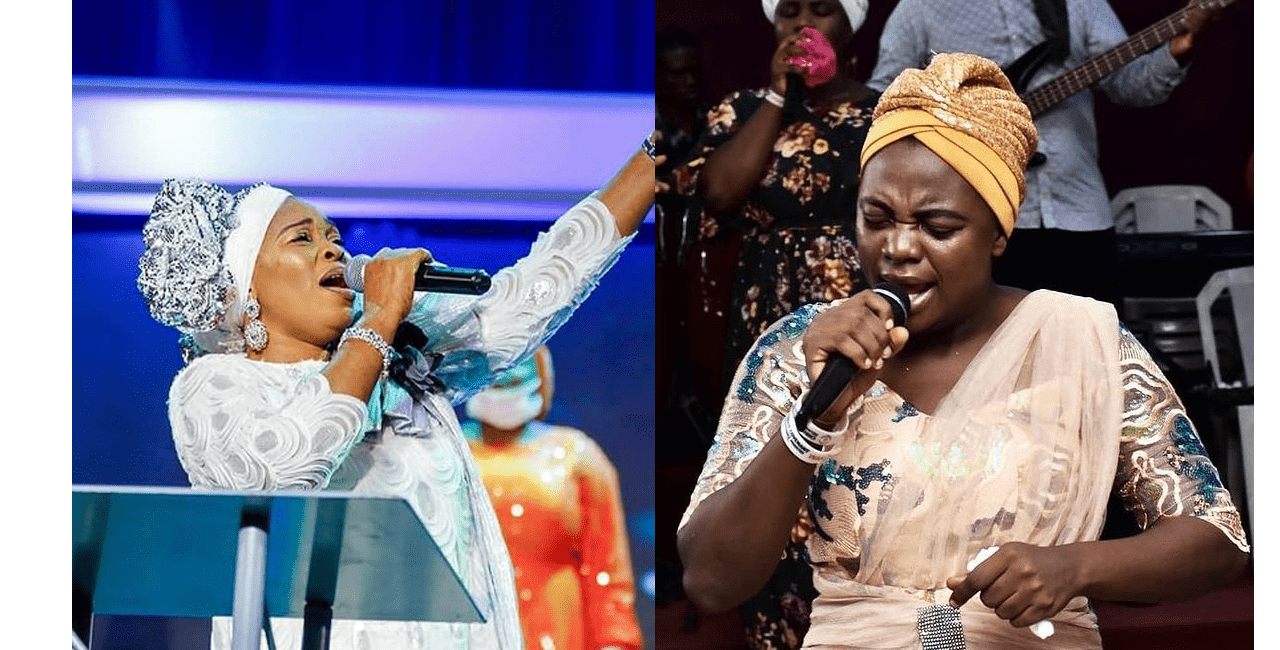
On June 12, 2021, a video from a church vigil began circulating across Nigerian social media. In it, veteran gospel singer Tope Alabi was criticising a song by a much younger artist, Adeyinka Alaseyori. The song was Oniduro Mi, and the argument was theological.
Tope Alabi argued that Oniduro, meaning “guarantor,” was too narrow a description of God. Her objection was not that the song was badly made; it was that, in her view, the theology behind the title reduced something much bigger.
The clip moved quickly through WhatsApp, Twitter, Instagram and Facebook. The clip drew a wider public debate among gospel music fans and social media users. What happened next mattered almost as much as the criticism itself: she chose not to answer an argument about God with another public argument about Tope Alabi.
Who Adeyinka Alaseyori Was Before the Controversy
Adeyinka Akinyemi was born on June 4, 1992 in Lagos State, though she hails from Ondo State. She grew up in circumstances that shaped the resilience visible in how she would later handle public pressure. Her parents separated when she was born. She was raised by her grandmother. They reconnected years later. She attended Holy Trinity Nursery and Primary School in Ebute-Metta and Methodist Girls’ High School in Yaba. She earned a degree in Accountancy from Lagos State Polytechnic and later from the National Open University of Nigeria.
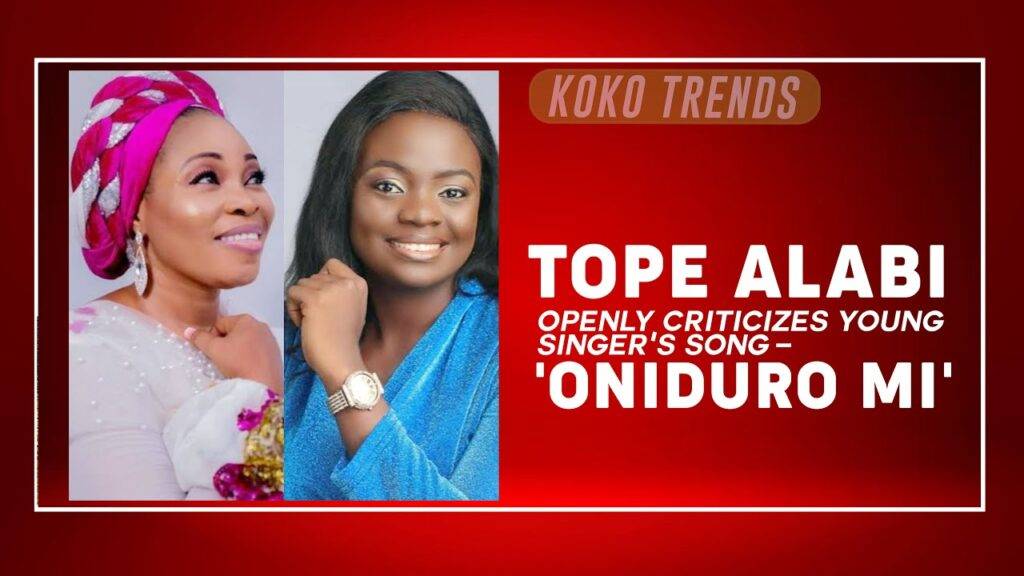
She is a trained accountant, entrepreneur, wife and mother, and she was already working as a worship minister before the controversy made her name much more widely known. Her career did not begin with Oniduro Mi; the controversy simply changed the size of the audience paying attention to it.
She adopted the stage name Alaseyori from her first album Alaseyori Mi, released in 2012. The word Alaseyori in Yoruba speaks to one who has the power to fulfil or make things happen a name that points toward the God she sings about rather than toward herself.
Her music sits within Yoruba-language gospel worship, drawing on the spiritual vocabulary, rhythms and cadences of that tradition. Her energetic movement is also part of her public performance style; describing it as worship rather than showmanship reflects how she and her audiences may understand it, rather than something an outside observer can establish with certainty. She has described her approach as creating an atmosphere of spiritual encounter.
Oniduro Mi and What It Actually Meant
Oniduro Mi, which translates as My Guarantor, became a widely recognised Yoruba gospel song around 2020. The song’s central declaration that God is her guarantor, the one she relies on completely resonated with the specific anxieties of that year, when Nigerians were navigating a pandemic and the economic uncertainty it intensified.
The song was not originally Adeyinka’s alone. Tolu Adelegan had sung a version of the song at different times. But Adeyinka’s version became the one that received attention beyond her existing audience, though its use across churches and denominations is not quantified in the reporting reviewed. It is the kind of song that travels precisely because it says something simple and completely true in the language that Yoruba worship communities understand at the deepest level.
Her album Arojinle, released March 14, 2020, introduced many Nigerians to her sound. The follow-up Aye Ope Yo in November 2021 cemented what the Oniduro controversy had made nationally visible. But before June 2021, she was known within gospel music circles rather than across the general public.
The Night Everything Changed
Tope Alabi’s comments were made at a church vigil in the early hours of June 12, 2021. The vigil preceded Democracy Day protests that were already generating significant national tension. Into that charged atmosphere, the video of a veteran gospel minister criticising a younger colleague‘s song arrived and immediately became the most shared content in Nigerian Christian circles.

The criticism remained theological even as social media turned it into a personal dispute. Alabi’s point was about spiritual discernment and whether a gospel singer should use a term she believed did not adequately describe God. The online argument grew far beyond that original claim.
The Nigerian public did not receive it that way. Fans of both artists and millions of bystanders saw a senior artist publicly criticising a younger one at a public event. The some social media users interpreted the criticism as jealousy on social media regardless of the actual theological content of the criticism. Adeyinka’s birthday had been just eight days earlier on June 4. Tope Alabi had publicly wished her a happy birthday the previous year with warm words. That contrast gave the narrative additional emotional fuel.
The backlash against Tope Alabi was swift and significant. Her social media mentions filled with people defending Adeyinka and questioning her motives. Comedy skits appeared within days. The incident became one of the most-discussed controversies in Nigerian gospel music history.
How Adeyinka Responded
Alaseyori could easily have answered the criticism publicly. Instead, she asked her audience not to turn the dispute into an attack on Alabi.
She did not attack. She did not retaliate. She went to Instagram and posted a prayer:
“May we all come to the real knowledge of God and his power. If you love God, please in God’s name, don’t comment otherwise. May the peace of God and the God of peace fill our hearts. May we receive grace to rise above all weakness.”
She called Tope Alabi a mother. She said: “Mummy Tope Alabi is our mother. She’s a mother to me and so many others and by virtue, we have been blessed by her ministrations. Please, let us worship and celebrate God. Let Jesus be at the centre of it.”
Nollywood actor Funsho Adeolu commented on her post:
“It’s your time Evangelist Yinka, thread it with God. When God’s time is here, everything will work for your upliftment, even your mistakes can’t stop it.”
The practical effect was measurable in attention: the controversy put Alaseyori in front of a much larger audience, while her own response kept the story from becoming a prolonged public fight between two singers.
Tope Alabi’s Apology and What It Meant
Tope Alabi eventually apologised. She acknowledged that her mistake was externalising a personal message in public. She referred to Adeyinka as her daughter in ministry. She said:
“The atmosphere is wide enough for everyone to stretch her wings of gift without disturbing one another.” She denied that jealousy had been the motivation, saying she loved the younger singer and had in fact prayed for her at her pastor’s request.
The two artists eventually reconciled publicly. The visibility Alaseyori gained from the episode also outlasted the original controversy, turning a difficult week into a much wider introduction to her existing work.
What She Built After
Following the controversy, Adeyinka Alaseyori gained wider public recognition and continued performing and releasing music rooted in Yoruba gospel worship. She has also organised a 21-day covenant worship programme online, featuring gospel ministers from across Nigeria. The controversy widened the audience paying attention to her work, though it is difficult to isolate its effect on bookings or career growth from other factors.
She remains managed by her husband and operates through Daveakins Communication. Her career has continued without the major-label structure described elsewhere in this archive, and her releases remain rooted in the Yoruba gospel tradition that defined her before the controversy.
Her social media presence has grown significantly. More importantly for the career itself, the controversy did not displace the music: she continued releasing records and building a public profile around Yoruba gospel after the attention cycle had moved on.
What the Controversy Changed
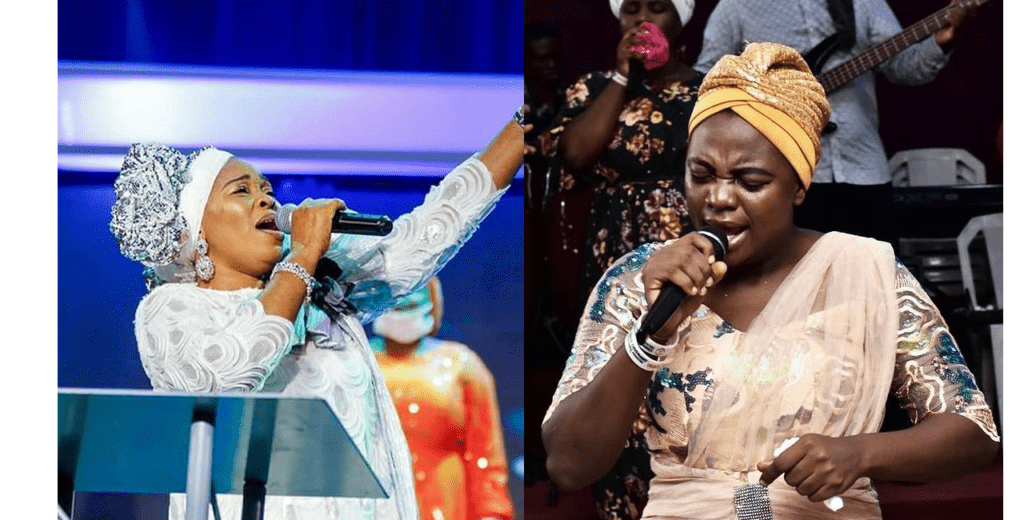
The Oniduro Mi controversy is remembered mostly as a clash between two artists. But there is a broader lesson inside it about Nigerian gospel music culture and the specific dynamics of seniority, generationality and public criticism within ministry circles.
Yoruba gospel music has a deep tradition of respect for veterans. The Tope Alabi generation, artists who built Nigerian gospel music in the 1990s and early 2000s carried enormous authority. That authority, when exercised publicly and critically toward a younger colleague, ran up against a social media environment that does not automatically defer to seniority the way church culture traditionally does.
The result was a collision between two valid cultural logics: one that says elders have the standing to correct, and one that says public criticism without private conversation first is a failure of relationship. Tope Alabi herself acknowledged that her mistake was externalising something that should have remained private. That acknowledgment is the resolution the story needed and eventually received.
Alaseyori emerged with something more useful than a viral moment: wider recognition. The controversy did not create her music career, but it made a much larger audience pay attention to an artist who had already been working in Yoruba gospel for years.
An accountant from Lagos, raised by her grandmother, who sings about God as her guarantor and means every word of it.